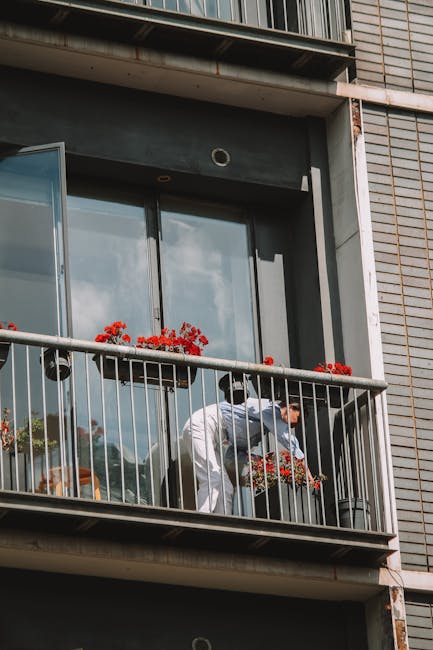
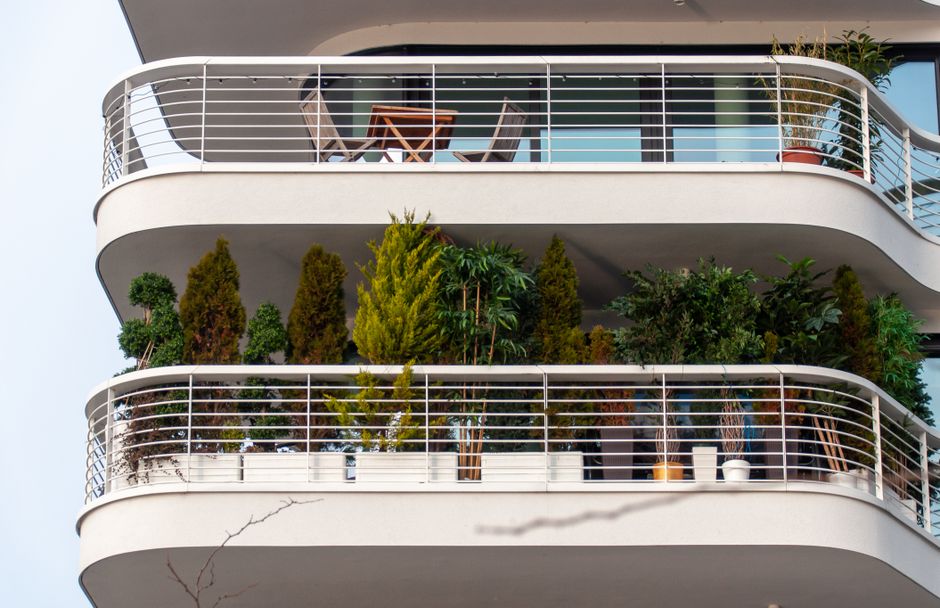
Vauxhall balcony gardeners specialising in small space planting: a practical guide for compact outdoor spaces
If you live in Vauxhall, you already know the balcony can become a second living room in spring and summer, even if it is only a few square metres. The challenge is making it feel lush, useful and safe without turning it into a cluttered mess. That is exactly where Vauxhall balcony gardeners specialising in small space planting earn their keep: they know how to squeeze real impact out of limited room, awkward light, and the everyday realities of London living.
This guide walks you through how small-space planting works, what actually makes a balcony thrive, and how to choose the right approach for your own space. Whether you want herbs for the kitchen, screening from neighbouring flats, a better place to sit with a coffee, or just something living and green out there, you will find a proper starting point here.
Let's be honest, a balcony can go from promising to chaotic very quickly. Too many heavy pots, the wrong compost, poor drainage, or a gusty corner that dries everything out by lunchtime. It happens. The good news is that with a bit of structure, you can avoid the usual headaches and create something that looks intentional rather than improvised.
For readers comparing local help, it can also be useful to look at wider support from a services overview and broader garden maintenance options, especially if your balcony planting needs to work alongside a shared courtyard or small garden space.
Table of Contents
- Why small-space balcony planting matters in Vauxhall
- How balcony planting works in a compact setting
- Key benefits and practical advantages
- Who this is for and when it makes sense
- Step-by-step guidance
- Expert tips for better results
- Common mistakes to avoid
- Tools, resources and recommendations
- Law, compliance, standards and best practice
- Options, methods and comparison table
- Case study: a real-world balcony transformation
- Practical checklist
- Conclusion
- Frequently asked questions
Why Vauxhall balcony gardeners specialising in small space planting matters
Balcony gardening is not simply "gardening, but smaller." It is its own discipline. In Vauxhall, where many homes have compact balconies, shared buildings, exposed upper floors and a mix of sun, shade and wind, the details matter more than you might expect.
A small space needs a different way of thinking. You are not trying to fill every inch. You are deciding how to use height, weight, colour, shelter and movement so the space still feels open. That is the real difference between a balcony that works and one that feels awkward to use.
Specialists in small-space planting tend to focus on three things that are easy to miss when you are doing it yourself:
- Scale - choosing plants and pots that suit the space rather than overpower it.
- Structure - arranging containers, rail planters, trellises and seating in a way that leaves room to move.
- Resilience - selecting plants that can handle wind, drying conditions and the stop-start watering routine of everyday life.
That last part is the one people often underestimate. A balcony can look fine for two weeks and then suddenly everything leans, scorches or dries out. Truth be told, a little expert planning saves a lot of frustration.
There is also a lifestyle side to it. A well-planned balcony can give you a place to read, eat, work or simply breathe for ten minutes between the noise of the street and the rhythm of the week. In a busy part of London, that matters more than many people admit out loud.
How Vauxhall balcony gardeners specialising in small space planting works
The process usually starts with a proper look at the balcony itself. Not just size, but aspect, wind exposure, railing type, drainage, access, privacy, and how you actually use the space day to day. A north-facing balcony with morning shade needs a very different planting plan from a south-facing one that gets baked at 3 p.m. in July.
From there, the planting plan is built around simple priorities. What do you want most? Privacy? Colour? Herbs? Low maintenance? Pollinator-friendly planting? A place for a chair and table? It is rarely all of these at once, at least not without compromises.
In practice, small-space balcony planting usually involves a layered design:
- Base layer - the floor space, with pots or planters that do not block movement.
- Mid layer - medium-height containers, perhaps around seating or along the wall.
- Upper layer - vertical planting, hanging elements, railing planters or climbers on supports.
The goal is to make the eye travel upward instead of making the balcony feel crowded at ground level. That is one of the easiest tricks in the book, and it works because it gives you greenery without eating up precious square footage.
Good balcony gardeners also think about materials and maintenance from the start. Lightweight planters, suitable compost, irrigation habits, and safe anchoring all matter. If a planter is too heavy, too awkward to water, or too exposed, it becomes a nuisance. And nobody wants to wrestle with a giant pot in the rain at 7:30 on a weekday morning.
Key Benefits and Practical Advantages
Small-space planting is not just decorative. Done well, it makes everyday life easier and more pleasant.
1. Better use of limited space
With the right planting layout, even a narrow balcony can feel functional. You can keep a clear walking line while still enjoying greenery, scent and texture. That balance is the whole point.
2. Improved privacy
In built-up areas, a balcony can feel overlooked. Taller plants, climbers and carefully placed containers can soften sightlines without making the area feel boxed in. For more ideas around screening and visual layering, the article on tall potted plants for privacy is a useful companion read.
3. Lower maintenance than people expect
Oddly enough, a well-designed small balcony can be easier to maintain than a messy one. You have fewer plants to look after, the layout is clearer, and watering routines become more manageable. A compact setup can be wonderfully tidy. Quite refreshing, really.
4. Better plant health
Right plant, right place - that is the mantra. Matching light levels and wind exposure to plant choice reduces stress, leaf scorch and constant replacement.
5. A more enjoyable outdoor routine
If your balcony becomes a place you actually sit in, not just stare at, it has done its job. A mug of tea at the rail, a bowl of basil from your own planter, the sound of traffic softened by foliage - small things, but they add up.
Expert summary: The best balcony planting plans are not the most crowded ones. They are the ones that respect movement, light, maintenance and how the space feels at 8 a.m. on a windy Tuesday.
Who This Is For and When It Makes Sense
This kind of specialist planting support makes sense for a range of people, not just keen gardeners.
- Flat owners who want a more attractive balcony without losing usability.
- Renters who need container-based ideas that can be removed or adapted later.
- Busy professionals who want a low-maintenance green space that does not become another weekend job.
- Families looking for a safer, more usable outdoor corner for herbs, flowers or small edible plants.
- People dealing with overlooked balconies who want screening and a little more privacy.
- Anyone who has tried and failed before because the space got too hot, too windy, or too cluttered.
If your balcony already feels like a storage shelf with a view, or if you have bought a few plants only to watch them slowly give up, this is likely the right time to change direction. There is no shame in that. Most people learn the hard way first.
It also makes sense when you want the planting to connect with a broader outdoor scheme. For example, if you are also considering decking or a small ground-level garden refresh, the rest of the property can be planned more coherently through decking services or broader landscape gardening.
Step-by-Step Guidance
Here is a practical way to approach balcony planting without overcomplicating it.
Step 1: Measure and observe the space
Measure the usable floor area, railing height, any awkward corners, and the amount of room needed for a chair, table or drying rack. Then watch the balcony at different times of day. A bright morning and a blustery evening are not the same thing, obviously, but people do forget this.
Step 2: Decide the main purpose
Ask yourself what the balcony should do first. Is it for sitting? Growing herbs? Screening? Purely ornamental planting? Once the main job is clear, the rest becomes easier.
Step 3: Match plants to the conditions
Choose species based on sun, shade, wind and exposure rather than appearance alone. A plant that looks lovely in a sheltered courtyard may become a crispy little disaster two floors up on an exposed balcony.
Step 4: Choose the right containers
Use containers that are appropriately sized but not absurdly heavy. Lightweight materials can be a blessing. Make sure every pot has drainage holes, or the roots will sit in water after heavy rain. Not ideal.
Step 5: Build vertical interest
Use wall-mounted planters, trellises, hanging baskets or railing planters to save floor space. This is where small balconies can start to feel genuinely designed rather than merely planted.
Step 6: Group plants by need
Put thirsty plants together, drought-tolerant plants together, and sun-lovers where they will actually thrive. It makes watering simpler and reduces the risk of one plant crowding out another.
Step 7: Plan watering and feeding
Small containers dry out quickly. In warm weather, you may need to water more often than you expect. If you are away a lot, think about self-watering planters or a simple irrigation setup. It does not need to be fancy to be useful.
Step 8: Review and refine
After a few weeks, see what is working. Is anything blocking the door? Is one side too windy? Are the pots too crowded? Balcony gardening is a living setup, not a one-and-done job. That is part of the fun, honestly.
Expert Tips for Better Results
Here are the details that usually separate a decent balcony from a really good one.
- Use fewer, better containers. A couple of properly chosen pots often look better than six mismatched ones.
- Keep a clear walkway. If you have to sidestep everything, the layout needs adjusting.
- Choose plants with interest beyond flowers. Leaf shape, colour changes and scent can carry the design when blooms are out of season.
- Think in layers. Short, medium and tall planting makes a small space feel fuller without becoming cramped.
- Anchor taller items properly. Wind on upper floors can be sneaky, and not in a charming way.
- Use mulch in containers where suitable. It can help reduce moisture loss and keeps the surface looking tidy.
- Keep a small tool kit nearby. Snips, a watering can and gloves are usually enough.
A useful rule of thumb: if the balcony looks good only from one angle, the layout probably needs work. You want it to feel good from inside the flat too, because that is where you will see it most of the time.
Another thing: do not chase novelty for its own sake. A balcony packed with rare plants you have never grown before can become stressful fast. Simple, robust planting often gives better results. There is no prize for making gardening harder than it needs to be.
Common Mistakes to Avoid
Most balcony problems are avoidable. The patterns are familiar, and once you know them, they are easy to spot.
Overfilling the space
The classic error. Too many pots, too many shapes, too much visual weight. The balcony begins to feel smaller than it is. Leave breathing room.
Ignoring wind exposure
What seems like a gentle breeze at street level can become a persistent wind channel upstairs. Tall, top-heavy plants may need support or a more sheltered position.
Poor drainage
Waterlogged roots are a common cause of failure in container planting. Always check drainage and avoid letting pots sit in standing water.
Choosing plants only for appearance
Pretty plants that hate the site conditions rarely last. It is better to choose resilient plants that look good for longer than chase a momentary visual effect.
Using the wrong compost or pot size
Very small pots dry out too fast, while very large ones can be heavy and cumbersome. The balance matters.
Forgetting maintenance access
Can you actually reach every pot? Can you water without dripping everywhere? Can you prune without leaning dangerously over the rail? Small questions, but they matter.
One slightly humorous truth: the plant that looks innocent in the nursery often becomes the diva on your balcony. A little research prevents a lot of attitude.
Tools, Resources and Recommendations
You do not need a shed full of equipment, just a few sensible basics.
- Lightweight planters for easier handling and reduced load.
- Quality compost suited to containers, not just any bag of soil.
- Watering can with a narrow spout for precise watering in tight spaces.
- Securing ties or plant supports for climbers and taller stems.
- Compact hand tools such as snips, a trowel and a small hand fork.
- Moisture-retaining mulch where appropriate.
- Plant labels or a simple note system if you are growing herbs or mixed containers.
If your balcony project is part of a larger tidy-up, it may also make sense to combine it with garden clearance or even a broader refresh through landscaping. That can help when you are starting from scratch or removing old, tired containers.
For readers who like a more maintenance-led route, the practical side of lawn mowing may seem unrelated, but it is part of the same general principle: keeping outdoor spaces neat, manageable and easy to enjoy. The same goes for careful hedge trimming and tree lopping and removal where larger gardens or shared spaces affect light and wind around a balcony.
Law, Compliance, Standards, or Best Practice
Balcony gardening is usually straightforward, but there are some sensible UK best-practice points to keep in mind.
First, check your lease, building rules or managing agent requirements before adding heavy structures, drilling fixings or using anything attached to the railing. Some buildings have restrictions for safety and appearance reasons. That is not exciting, granted, but it can save a headache later.
Second, be careful about weight. Balconies are designed to carry loads within their intended use, but plant collections, water, heavy ceramic pots and stored materials can add up quickly. If in doubt, keep to lighter containers and spread weight evenly rather than clustering it all in one corner.
Third, think about drainage and run-off. You do not want excess water causing issues for neighbours below. Good watering habits and proper trays where needed make a real difference.
Fourth, secure tall items so they cannot tip in high wind. This matters more on upper floors, especially in open or exposed spots.
Finally, if you are hiring help, sensible standards matter: clear communication, safe working habits, and insurance where relevant. If you want to understand how a local company approaches this side of the job, the pages on insurance and safety and the broader health and safety policy are useful references.
Best practice is really just this: make the balcony attractive, usable and safe without assuming everything can be fixed with a bigger pot. Usually, it cannot.
Options, Methods, and Comparison Table
If you are deciding how to plant a small balcony, it helps to compare the main approaches side by side.
| Method | Best for | Pros | Watch-outs |
|---|---|---|---|
| Floor pots only | Simple layouts and easy access | Flexible, easy to rearrange, good for larger statement plants | Can eat floor space quickly |
| Vertical planting | Very tight balconies | Saves space, adds height, creates privacy | May need secure fixing and more frequent watering |
| Rail planters | Narrow balconies with limited floor area | Efficient use of edge space, good visual impact | Must be fitted safely and checked regularly |
| Mixed container scheme | Most small balconies | Balanced, adaptable, visually layered | Needs a little more planning to avoid clutter |
| Edible-focused setup | Herb lovers and kitchen gardeners | Useful, fresh, rewarding day to day | May require more sun and regular harvesting |
For most Vauxhall balconies, a mixed container scheme is the sweet spot. It gives you a bit of everything without forcing the balcony into a single job. That said, if your only goal is privacy, a vertical or rail-led approach may be better. If you mainly want basil, mint and thyme by the kitchen door, the setup should lean edible instead.
Case Study or Real-World Example
Imagine a typical Vauxhall balcony: narrow, slightly overlooked, with morning sun and a touch of afternoon wind. The owner wants somewhere to sit with coffee, a few herbs for cooking, and a little more privacy from neighbouring windows.
The first version of the space had three random pots, one wobbly chair, and a box of old plant supports tucked by the wall. Familiar scene, really. The problem was not lack of enthusiasm. It was lack of structure.
The practical fix was to keep the walking space clear, use two lightweight tall planters for screening, add a rail planter for herbs, and place one medium pot near the seating area for scent and colour. A small trellis gave a climber somewhere to grow without taking over the floor.
What changed most was not just how it looked, but how it felt. The balcony became a place to pause. There was enough greenery to soften the view, enough space to move, and enough simplicity to stay manageable. No big drama, no complicated kit. Just a well-judged layout.
That is often the real result of good small-space planting: not an overstyled showpiece, but a balcony that quietly earns its keep every day.
Practical Checklist
- Measure the usable balcony space, including door swing and walking room.
- Check sun, shade, wind and exposure at different times of day.
- Decide the main goal: sitting, privacy, herbs, colour or low maintenance.
- Choose plants suited to the actual conditions, not just the look.
- Use containers with drainage holes and sensible weight.
- Leave space for movement and easy access to every pot.
- Consider vertical options if floor space is limited.
- Group plants by water needs where possible.
- Confirm any lease or building restrictions before drilling or fixing items.
- Plan how you will water, feed and prune the display.
- Check stability for any tall or wind-catching items.
- Review the layout after a few weeks and adjust if needed.
Conclusion
Vauxhall balcony gardeners specialising in small space planting are not just making things pretty. They are solving a spatial problem with practical design, plant knowledge and a proper eye for how people live. That is what makes the difference between a balcony that looks nice in photos and one you actually use on an ordinary Tuesday.
If you remember only one thing, let it be this: small spaces need calm, not clutter. The best balcony planting plans respect the light, the wind, the weight, and the life you want to live out there. Get those things right and the rest starts to fall into place.
Get a free quote today and see how much you can save.
And if you are still weighing up your options, a good next step is to compare services, think through your priorities, and ask what will make your balcony genuinely easier to enjoy. That is the bit that lasts.
Frequently Asked Questions
What do Vauxhall balcony gardeners specialising in small space planting actually do?
They design, plant and sometimes maintain compact balcony spaces so they work better in real life. That usually includes choosing suitable plants, arranging containers, creating privacy, and making sure the layout is practical as well as attractive.
Can a tiny balcony really support proper planting?
Yes, absolutely. Even a narrow balcony can support herbs, flowers, structural planting and privacy screening if the layout is planned well. The trick is choosing the right scale and not overloading the space.
What plants work best on exposed London balconies?
Hardy, wind-tolerant and container-friendly plants usually perform best. The exact choice depends on sun or shade, but the main point is to avoid delicate plants that dislike drying out or being buffeted by wind.
How often do balcony plants need watering?
It depends on pot size, weather and plant type, but containers dry out more quickly than ground soil. In warm or windy spells, some pots may need daily attention. Smaller pots need checking most often.
Is balcony planting expensive?
It can be modest or more involved, depending on the materials and how much of the space you want to transform. A simple herb-and-flower setup costs far less than a fully designed, privacy-focused planting scheme.
Can I grow herbs on a balcony in Vauxhall?
Yes, many herbs do well in balconies if they have enough light and are watered consistently. Basil, thyme, parsley and mint are common choices, though mint is best kept in its own pot because it likes to spread.
How do I stop balcony pots from blowing over?
Use stable containers, avoid top-heavy arrangements, and place taller plants where they are less exposed or can be secured properly. On windy balconies, lightweight items can move more than you expect.
Do I need permission to add planters or fixings to my balcony?
Sometimes, yes. It depends on your lease, building rules and the type of fixing involved. Always check before drilling, attaching heavy items or changing the external appearance of the balcony.
What is the biggest mistake people make with small balcony gardens?
Overcrowding. People often buy too many plants or containers and then lose the space they wanted to enjoy in the first place. A smaller, better-planned setup nearly always works better.
How long does it take to set up a balcony planting scheme?
A simple setup can be done quite quickly, while a more considered design may take longer if containers, supports and plant selection need careful planning. The real time factor is usually decision-making, not the planting itself.
Can balcony planting help with privacy?
Yes, to a point. Taller containers, climbers and layered planting can soften sightlines and make a balcony feel more secluded. It will not turn it into a sealed room, but it can make a noticeable difference.
What should I look for in a local balcony gardener?
Look for someone who understands small spaces, container planting, light and wind conditions, and practical maintenance. Good communication matters too. You want clear advice, not vague enthusiasm and crossed fingers.
If you would like to explore the wider background of the company, you can also review the about us page or start from the blog for more local guidance and ideas.